Geotechnical & Environmental Engineering Services
Understanding the ground beneath every project to deliver safe, sustainable, and compliant designs.
Ground conditions play a vital role in the success of any construction project. At Thomas Consulting, our geotechnical and environmental engineers provide the insight and experience needed to ensure developments are designed on firm foundations, physically and environmentally.
From initial site investigations to contamination assessments and foundation recommendations, we combine decades of experience with modern analytical techniques to help our clients make informed, confident decisions.
what we do
We work across residential, commercial, industrial, healthcare, education, and public sectors, supporting projects of every size. The services we offer include:
Contaminated Land
Site Appraisals
Phase 1 Preliminary Risk Assessment
Phase 2 Ground Investigation Reports
Contamination Option Appraisal and Remediation Strategy
Contamination Verification Plan
UXO Surveys
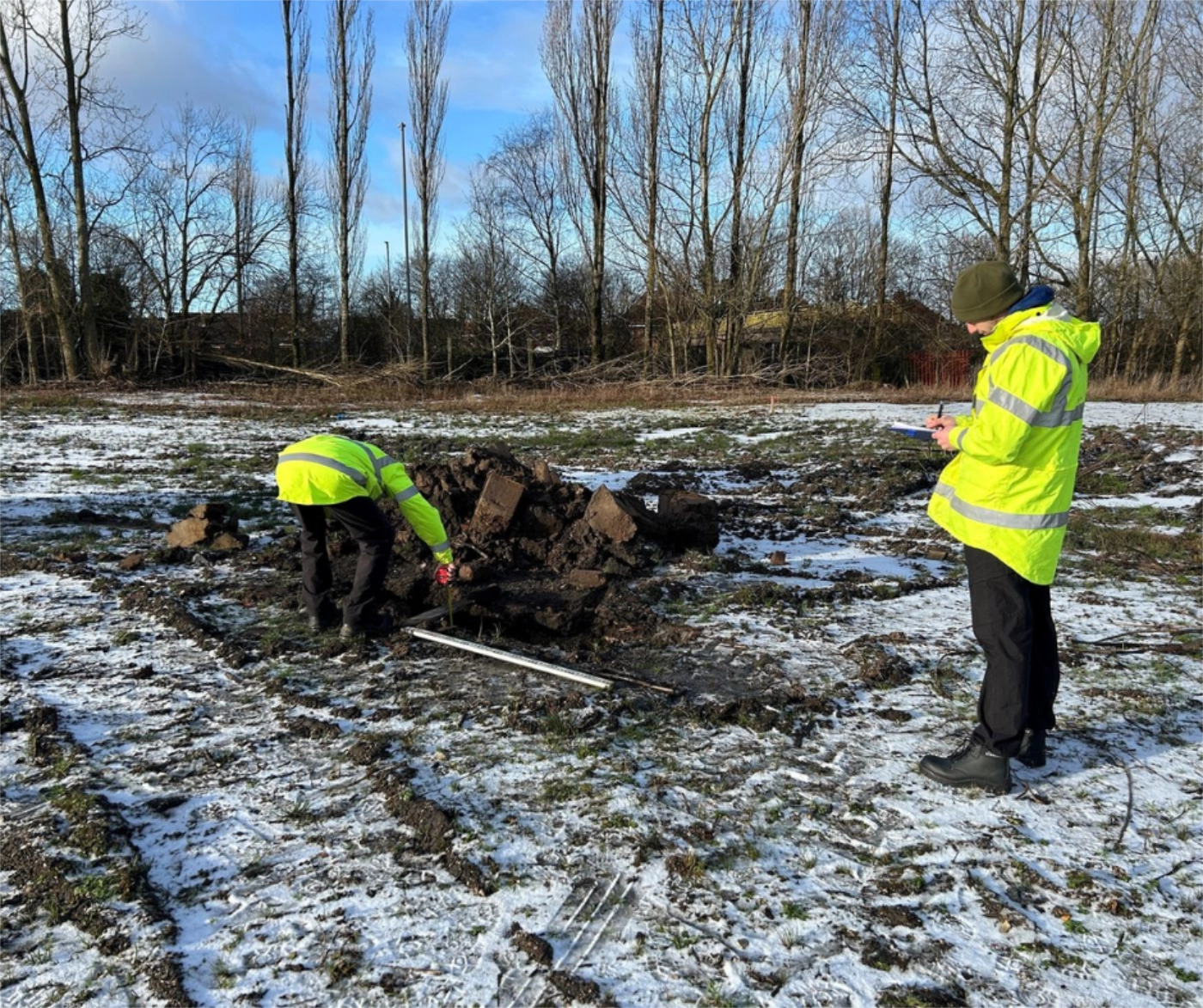
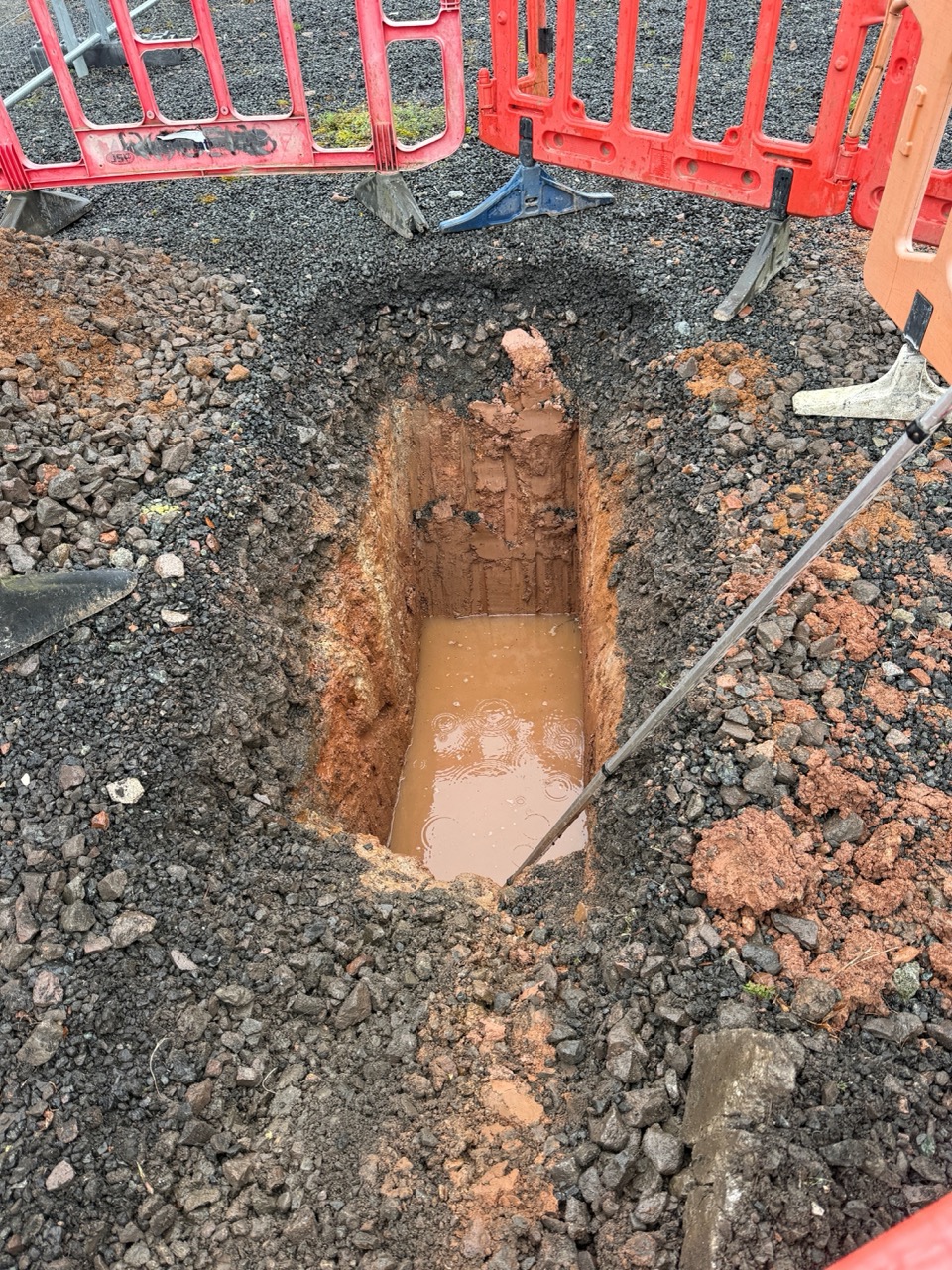
Site Investigations
Groundwater Monitoring
Gas Monitoring
Chemical Testing
Trial Pitting
Boreholes
Falling Head Tests
BRE365 Infiltration Testing
In-Situ Testing (SPT, Plate Load, Shear Vane, CBR, etc.)
Geotechnical Design
Ground Improvements
Slope Stability
Foundation Recommendations
Retaining Wall Recommendations
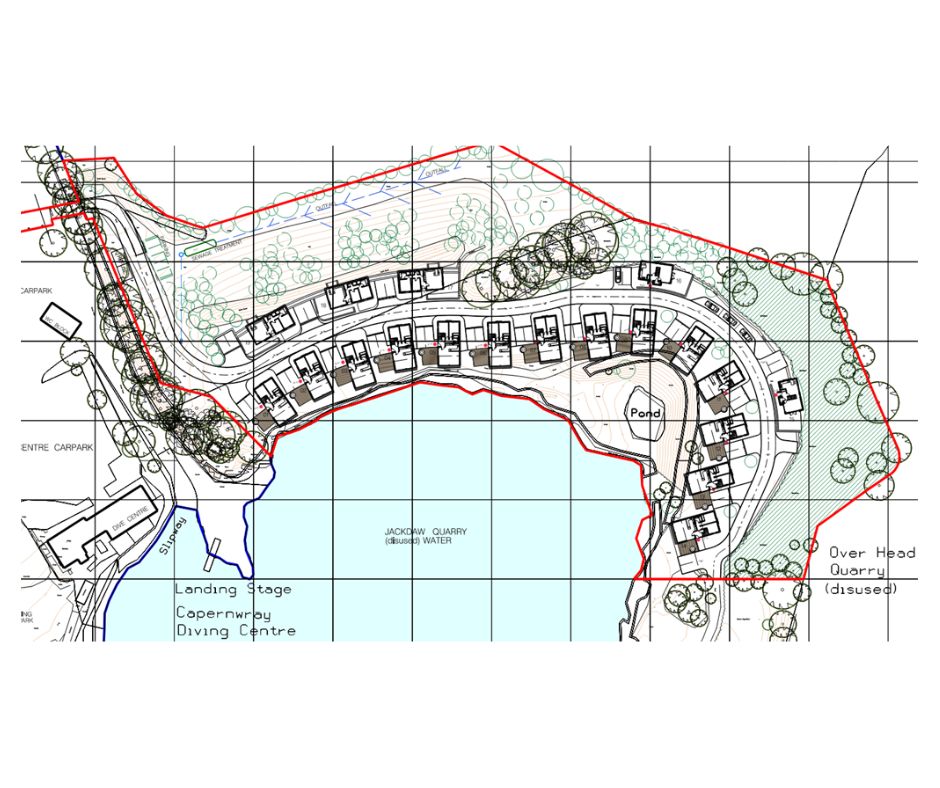
Earthworks and Bunding Design


OUR APPROACH
Understanding a site’s ground conditions early helps avoid risk, delay, and additional cost.
We take a proactive, integrated approach, working closely with civil and structural teams to ensure design solutions are safe, sustainable, and cost-effective. Our engineers use advanced modelling and geotechnical analysis tools to deliver reliable recommendations that stand the test of time.
Through collaboration and technology, we help clients reduce uncertainty, improve sustainability, and deliver compliant, buildable solutions.
FREQUENTLY ASKED QUESTIONS
It is best to commission a geotechnical investigation as early as possible. Prompt investigation helps identify ground conditions, risks, and opportunities, ensuring your design is safe and cost-efficient.
A Phase 1 assessment involves a desk study and site inspection to identify potential contamination risks. If issues are suspected, a Phase 2 assessment includes intrusive ground investigations and laboratory testing to confirm conditions and propose remediation measures.