Case Study
Station Inn Hotel and Pub
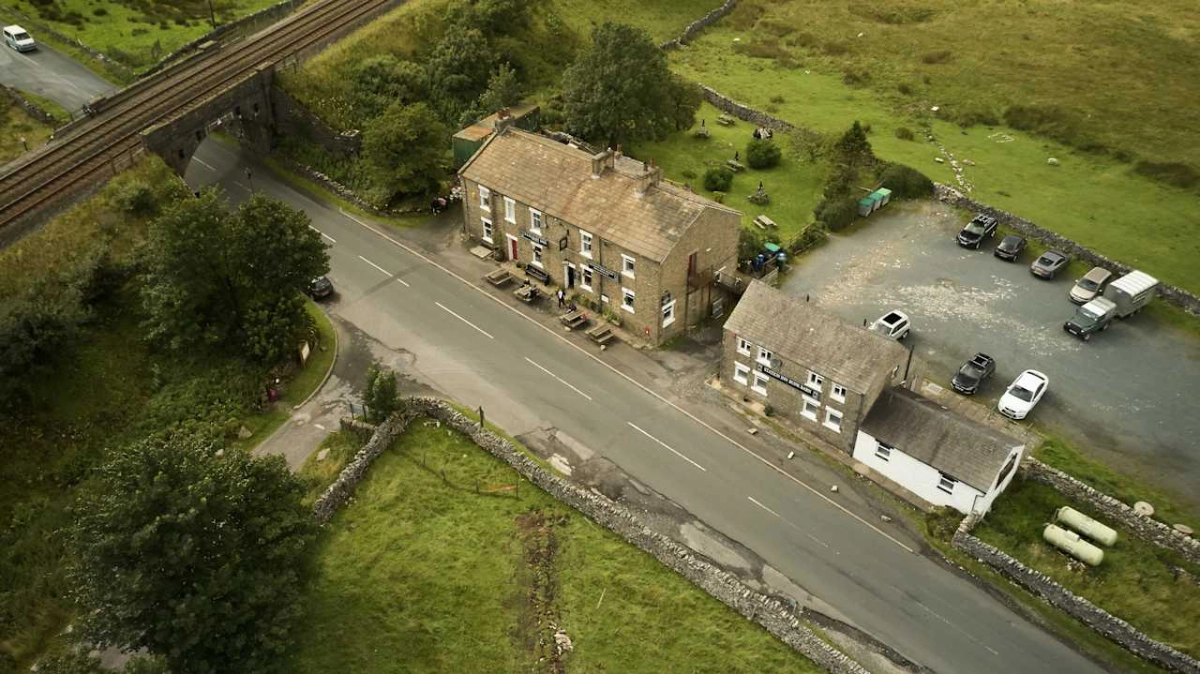
Located in the heart of the Yorkshire Dales and overlooking the iconic Ribblehead Viaduct, The Station Inn is a popular four-star hotel and pub that attracts visitors from across the UK and beyond. To enhance its accommodation offering and meet growing demand, plans were developed to construct four new guest rooms, each comprising a double bedroom and en-suite shower room.
Thomas Consulting was appointed to provide site investigation services, drainage design and structural engineering support for the project, helping to secure planning approval and facilitate the successful delivery of the new accommodation.
OUR ROLE
Our Civils and Structural Engineering teams worked collaboratively to develop integrated drainage and structural solutions for the proposed extension. We undertook detailed site investigations to assess the ground conditions, evaluate drainage opportunities and inform the foundation design.
The project required the preparation of a comprehensive drainage strategy that complied with local planning policies and sustainable drainage requirements, alongside the design of structural elements capable of accommodating the site’s challenging topography and geological conditions.
Challenges
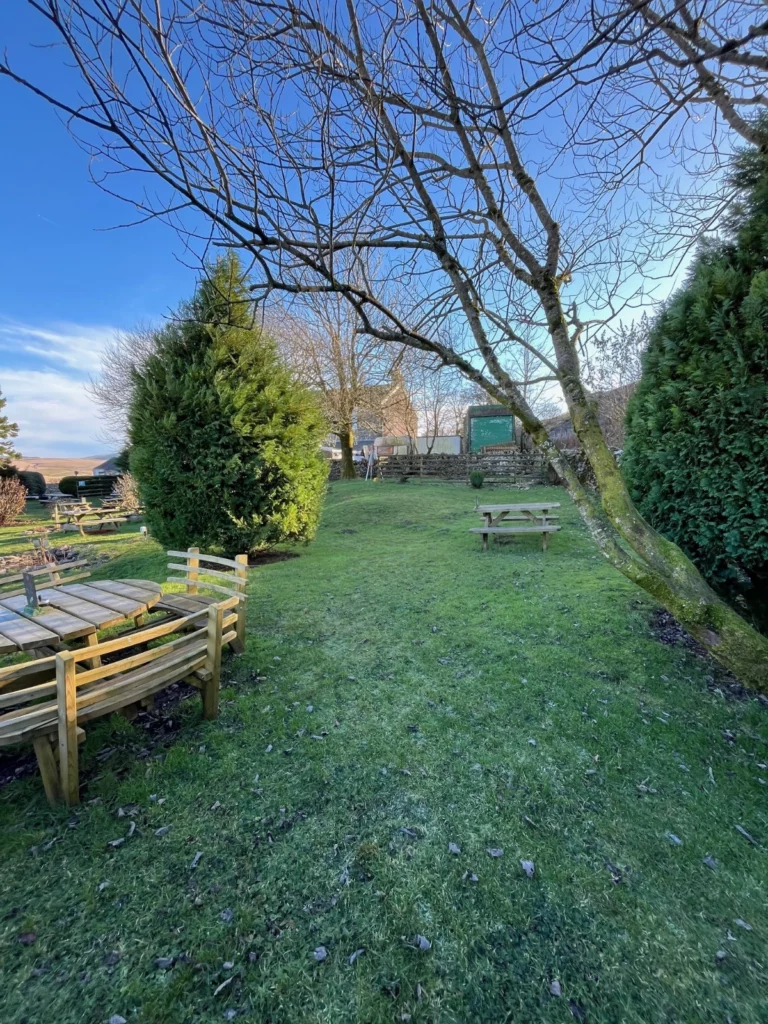
As the development was proposed on previously undeveloped land, local planning policies required post-development surface water discharge rates to be restricted to Greenfield runoff rates. This meant that a carefully considered drainage solution was needed to manage rainfall sustainably while minimising the impact on the surrounding environment.
The remote location of the site also presented challenges in relation to foul water disposal, as there are no public sewers available in the area. Any proposed solution therefore needed to accommodate the additional wastewater generated by the new guest accommodation without requiring extensive new infrastructure.
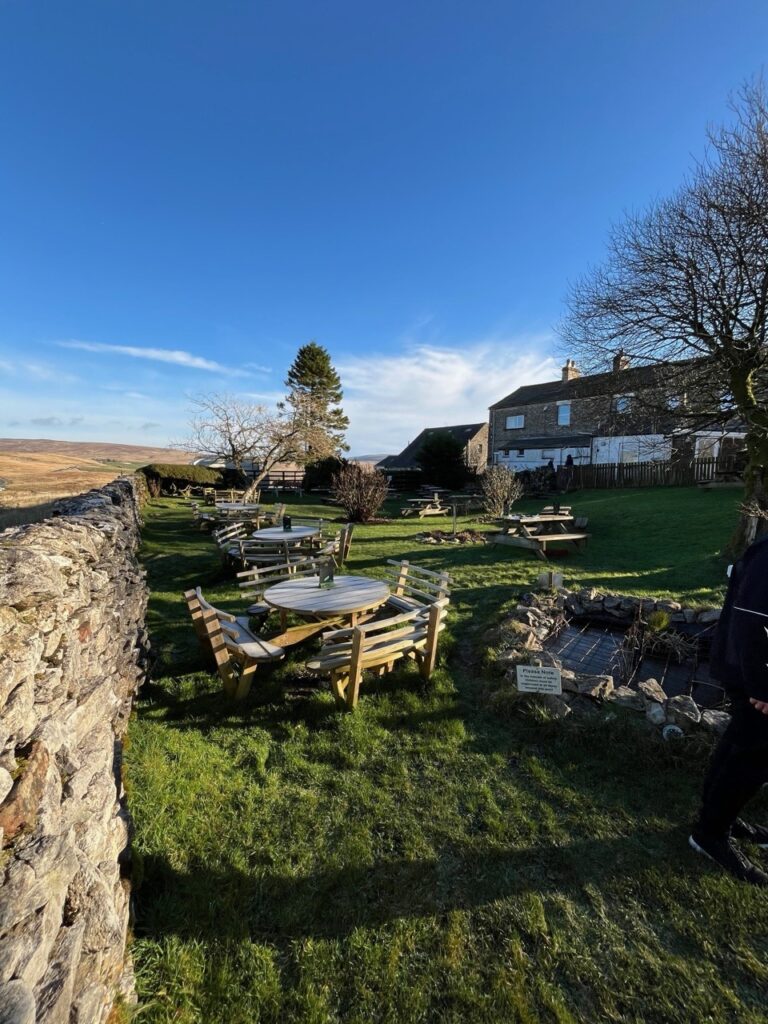
From a structural perspective, the site is situated within a rocky area of the Yorkshire Dales, characterised by shallow soil depths and varying ground levels. These conditions created challenges for foundation design and retaining structures. requiring a solution that could minimise excavation into hard rock while maintaining structural stability and controlling construction costs.
SUCCESSES
In accordance with best-practice guidance set out in the SuDS Manual, a range of sustainable drainage options were assessed. Site investigations confirmed that the ground conditions were suitable for infiltration drainage, enabling the use of an underground Geocellular soakaway system. This solution provided a cost-effective and environmentally sustainable method of managing surface water runoff while ensuring compliance with Greenfield discharge requirements.
To manage foul drainage, the existing package treatment plant serving the site was utilised to accommodate the additional wastewater generated by the new accommodation units. Following treatment, clean water is discharged into the existing drainage field, allowing it to infiltrate into the surrounding landscape safely. By making use of the existing drainage infrastructure, the project achieved both cost savings and a reduction in on-site construction requirements.
Our Structural Engineering team developed bespoke foundation and retaining wall designs tailored to the site’s unique ground conditions. By carefully optimising the structural solution, excavation depths were minimised, reducing the need to remove hard rock and helping to lower construction costs while maintaining the long-term stability and performance of the new accommodation.