Case Study
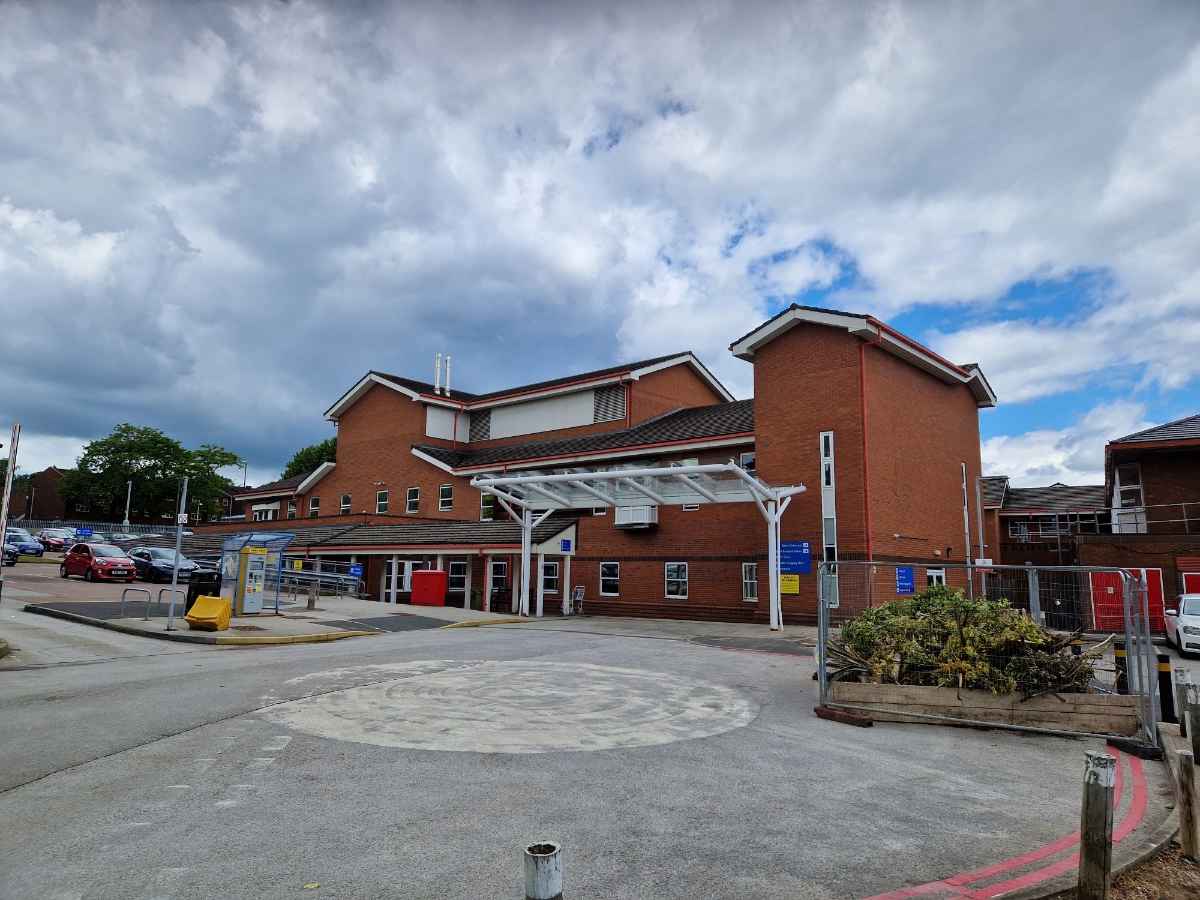
Florence Nightingale Community Hospital
The NHS has set a target to achieve net zero direct carbon emissions by 2040 and net zero indirect emissions by 2045. To help achieve these ambitious but important targets, The University Hospitals of Derby and Burton NHS Foundation Trust has embarked on a programme of improvements to its estate.
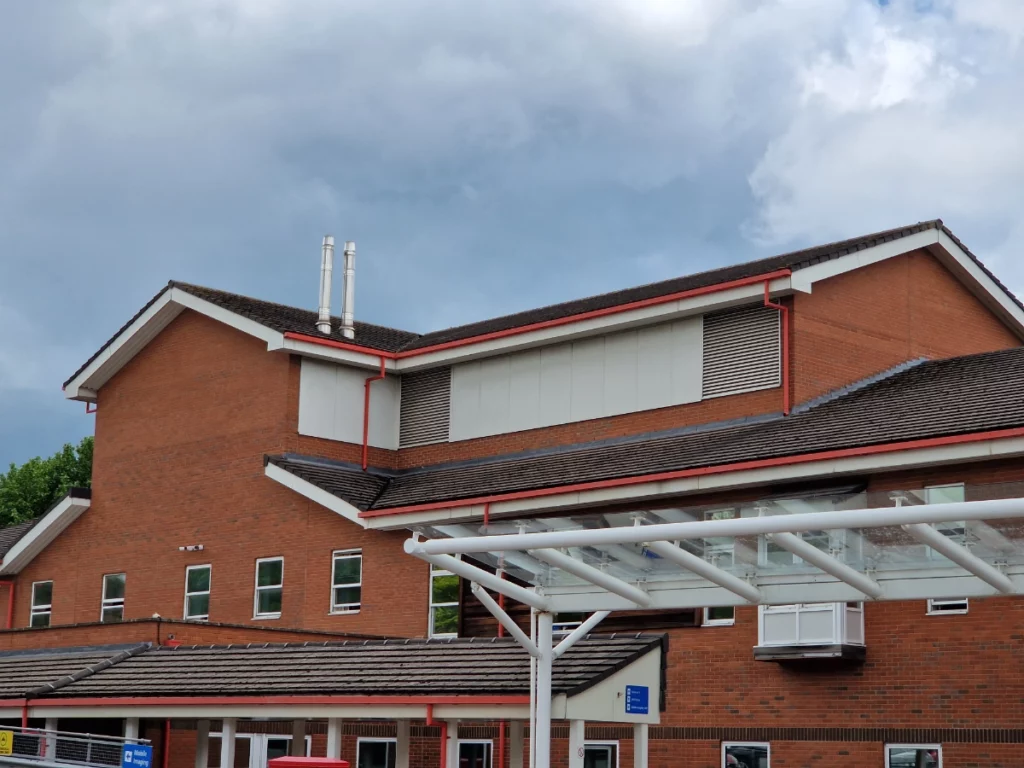
Part of this programme included the installation of photovoltaic panels at Florence Nightingale Community Hospital in Derby to generate clean electricity to run the hospital’s lighting and medical equipment. Vital Energi was appointed to undertake this work but to ensure this could be done safely, the contractor needed to assess the condition of the roof structure.
OUR ROLE
Thomas Consulting was appointed to undertake a structural assessment on the Florence Nightingale Community Hospital building.
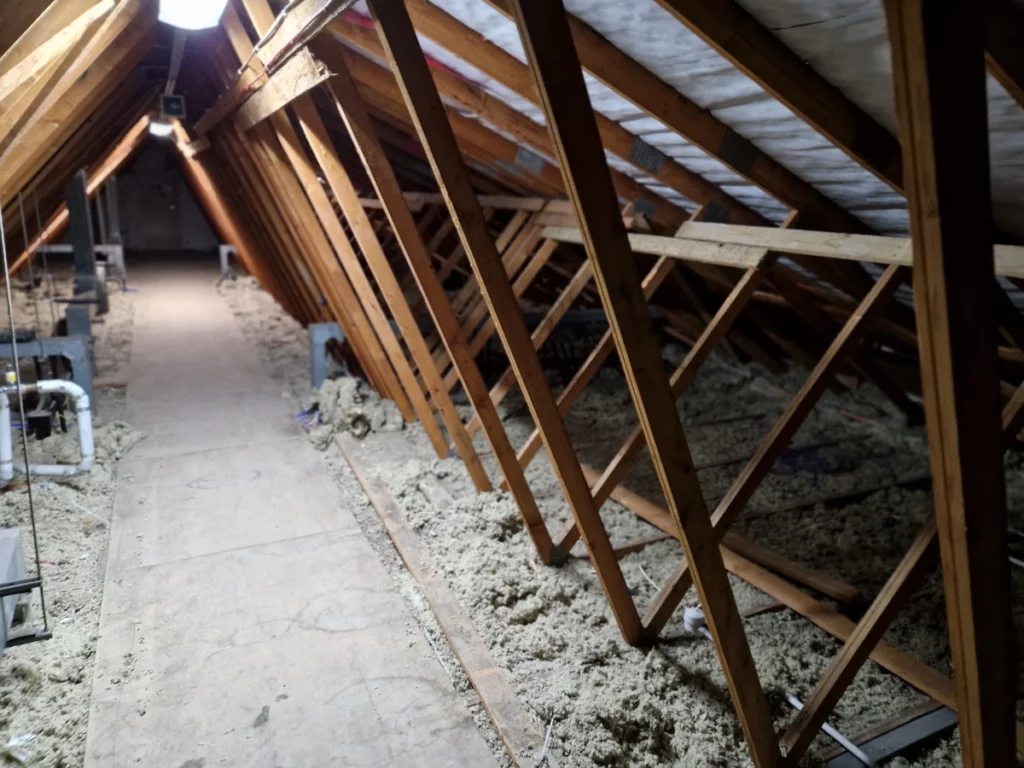
This assessment was carried out to determine whether the existing structure has the capacity to support the additional weight of the panels. The study focused on reviewing the existing roof structures across three key roof truss types to identify:
- Truss Type A – Main hospital building (timber trusses with concrete beam supports).
- Truss Type B – Western plant room roof (proprietary timber trusses spanning between masonry and steelwork).
- Truss Type C – Lower roof areas over the palliative care wings (timber trusses supported by masonry and steelwork framing).
Using visual inspections, laser measurements, and 3D structural modelling (MasterSeries software), the team assessed the roofs under combined dead, live, snow, and proposed PV loads.
Challenges
The project presented several challenges due to the varying age and construction of the existing roofs, each requiring careful assessment to determine their suitability for additional PV loading.
Access to certain areas, including the palliative care wing, was restricted, limiting the scope and timing of inspections. All works also needed to be carried out with minimal disruption, ensuring the continued safe operation of the hospital throughout the assessment process.
SUCCESSES
Our adoption of non-intrusive methods helped to minimise disruption to patients and hospital operations during the surveying, whilst ensuring the findings were accurate and fit for purpose.
The assessment confirmed that all roofs were suitable for lightweight, non-ballasted PV panel systems, enabling the project to progress without the need for major structural alterations.
It also advised for careful planning to ensure that the number of panel packs lifted onto the roof at any one time was limited, maintaining safe load conditions throughout installation. It also advised ongoing monitoring of roof conditions during and after installation provided additional assurance for long-term performance and safety.